
What Causes a Tooth Abscess and How Serious Is It?
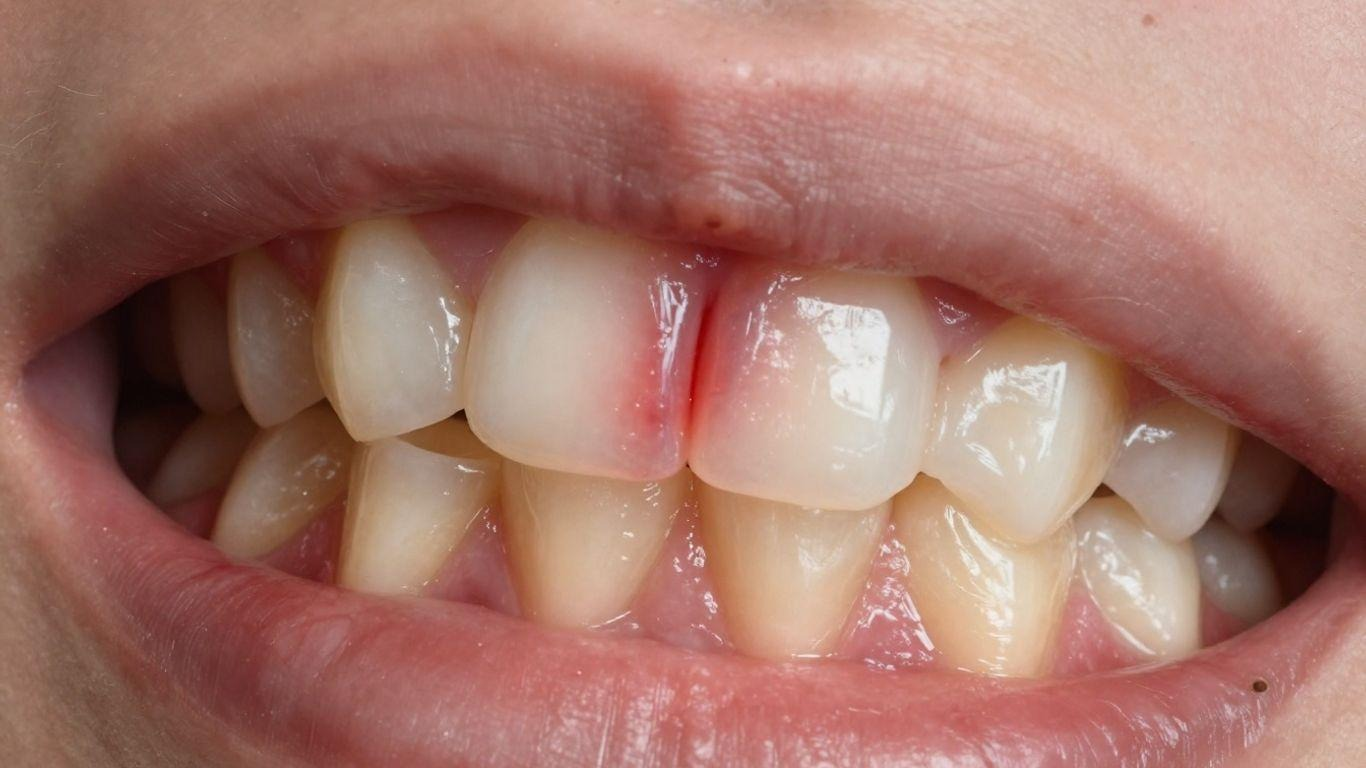
So, what exactly is a tooth abscess and what kicks it off? Basically, it's a nasty little pocket of pus that forms because of a bacterial infection. Think of it like a tiny, unwelcome boil, but inside or around your tooth. This infection doesn't just hang out; it can mess with your tooth and even spread to the bone and other tissues holding your teeth in place.
Tooth Abscess Causes and Symptoms
Several things can open the door for these bacteria to set up shop. Often, it starts with something simple like a cavity that goes untreated. When that decay eats through your tooth's hard outer layer, bacteria can get deep inside, reaching the soft pulp where the nerves and blood vessels are. If that pulp gets infected and dies, pus can build up at the tip of the tooth's root, forming what's called a periapical abscess.
Another common culprit is gum disease, also known as periodontal disease. This infection affects the tissues and bone that support your teeth. As the gums pull away from the teeth, little pockets form, and bacteria can get in there and cause a periodontal abscess. These tend to be a bit more serious and can spread into the surrounding bone.
Sometimes, a good old-fashioned injury to the mouth can do it too. Even if you don't see a crack, trauma can damage the inner part of the tooth, making it vulnerable to infection. And then there are gingival abscesses, which are infections that start right in the gums themselves, not necessarily affecting the tooth root.
The main symptom you'll likely notice is some serious tooth pain. It can be a throbbing, aching pain that might even shoot up to your ear or jaw. You might also notice:
- Redness and swelling in your gums
- A bad taste or foul odor in your mouth
- Sensitivity to hot or cold
- Swelling in your jaw or face
- A fever
- Loose teeth
Dental Abscess Warning Signs and Treatment
It's super important to pay attention to these signs. Ignoring them can lead to bigger problems. If you've got a toothache that just won't quit, especially if it's accompanied by swelling or a fever, that's your cue to call the dentist ASAP. We'll get into how it's treated next, but the key takeaway here is that these infections don't just go away on their own.
Don't underestimate a toothache. What might seem like a minor annoyance could be the start of a serious infection that needs professional attention.
Here's a quick look at what can cause these pesky infections:
- Untreated Cavities: Decay that reaches the tooth's pulp.
- Gum Disease: Infection spreading into the supporting bone.
- Cracked or Chipped Teeth: Openings for bacteria to enter.
- Tooth Injury: Trauma damaging the inner tooth structure.
How Serious Is a Tooth Abscess?
Okay, so you've got this nasty tooth abscess thing going on. You might be wondering, 'How serious is a tooth abscess, really?' Well, it's not something to just brush off. Think of it as your body's alarm system going haywire because of a serious bacterial invasion. If you ignore it, that little pocket of pus can cause a whole lot of trouble, way beyond just a toothache.
Untreated Tooth Abscess: What Can Happen?
Leaving a tooth abscess to its own devices is like playing with fire. The infection doesn't just chill out in your tooth; it's an opportunist. It can spread.
- Into your jawbone: This can cause significant damage and pain, making chewing tough.
- To your face and neck: Swelling can become quite noticeable, and the infection can spread through soft tissues.
- To other parts of your body: In really bad, rare cases, the infection can travel to your brain or even your heart. That's when things get super dangerous, potentially leading to life-threatening conditions like sepsis.
The scary part is that sometimes the pain might even stop. This doesn't mean the infection is gone; it often means the nerve inside the tooth has died. The bacteria are still there, still spreading, and still causing damage.
If you're experiencing any of these, it's time to get help ASAP:
- A high fever that won't quit.
- Swelling that's making your face look different.
- Trouble breathing or swallowing – this is a big red flag.
- Feeling confused or even passing out.
- A really fast heartbeat or other weird heart rhythms.
These aren't just minor inconveniences; they're signs that the infection is getting serious and needs immediate medical attention. Don't wait around to see if it gets better on its own because, spoiler alert, it won't.
When to See a Dentist for a Tooth Abscess
Okay, so you've got this gnarly toothache, maybe some swelling, and you're wondering if it's just a bad day for your mouth or something more serious. Look, a tooth abscess isn't something to mess around with. It's basically a pocket of pus caused by a bacterial infection, and it can get nasty if you ignore it. If you suspect you have a tooth abscess, you really need to get it checked out by a dentist ASAP. Don't wait for it to magically disappear, because it won't. It's like that leaky faucet you keep putting off – it only gets worse.
Is a Tooth Abscess a Dental Emergency?
While not every toothache is a five-alarm fire, a tooth abscess can definitely escalate quickly. Think of it as a dental emergency if you're experiencing any of these dental abscess warning signs and treatment becomes urgent:
- Severe, throbbing tooth pain: This isn't just a little sensitivity; it's pain that makes it hard to think, eat, or sleep. It might even spread to your ear, jaw, or neck.
- Swelling in your face or jaw: If you notice your face looking puffy, especially on one side, that's a big red flag.
- Fever: A fever means your body is fighting an infection, and it's trying to tell you something's seriously wrong.
- Difficulty swallowing or breathing: This is super serious. If the infection is spreading, it can affect these vital functions. Go to the ER immediately if this happens.
- A foul taste or smell in your mouth: This can be a sign that pus is draining, but it's still an infection that needs professional attention.
If you're experiencing any of these, especially the swelling or fever, it's time to call your dentist or head to an urgent care or emergency room if your dentist isn't available. Seriously, don't delay.
Here's a quick rundown of what might happen if you don't get it treated:
- Infection spreads: The bacteria can travel to your jawbone, neck, or even your brain or heart in rare cases. Not good.
- Tooth loss: If the infection gets too bad, you might lose the tooth.
- Sepsis: This is a life-threatening condition where the infection spreads throughout your body.
So yeah, it's better to be safe than sorry. Get it checked out!
How Is a Tooth Abscess Treated?
Okay, so you've got a tooth abscess. Bummer, right? The good news is, dentists have a few ways to tackle this thing and get you feeling better. The main goals are always to kick that infection to the curb and stop it from causing more trouble.
Treatment Options
Depending on how bad things are and what's causing the abscess, your dentist will figure out the best plan. It usually involves one or more of these:
- Draining the Abscess: Sometimes, the simplest fix is to make a tiny cut in the swollen area to let all that nasty pus drain out. They'll clean it up with a saline rinse afterward. It's not the most glamorous job, but it can bring quick relief.
- Root Canal Therapy: If the infection has gotten into the tooth's pulp (that's the soft stuff inside with nerves and blood vessels), a root canal might be the way to go. They'll drain the abscess, clean out all the infected pulp, and then fill and seal the tooth. Often, you'll need a crown put on afterward to keep the tooth protected.
- Tooth Extraction: In some cases, a tooth might be too far gone – maybe it's really decayed or damaged. If that happens, pulling the tooth might be the only option left to get rid of the infection. Dentists really try to save your natural teeth, but sometimes it's just not possible.
- Antibiotics: If the infection seems to be spreading or if you're in a lot of pain, your dentist might prescribe antibiotics. These help fight off the bacteria, but they usually don't fix the source of the problem on their own. They're often used alongside other treatments.
- Removing Foreign Objects: If something got stuck in your gums and caused the abscess, they'll remove it, drain the pus, and clean the area well.
How to Prevent a Tooth Abscess
Honestly, the best treatment is often prevention. Keeping up with good oral hygiene is your first line of defense. That means brushing twice a day, flossing daily, and seeing your dentist for regular check-ups and cleanings. Catching problems early, like cavities or gum disease, can stop them from turning into a full-blown abscess. Also, if you have an injury to your mouth or a tooth gets chipped or loosened, get it checked out by a dentist ASAP.
It's super important to remember that an untreated tooth abscess what can happen can be pretty serious. The infection doesn't just stay put; it can spread to your jawbone, your face, your neck, and in really rare cases, even to your brain or heart. So, don't mess around with tooth pain or swelling – get it checked out!
Conclusion
So, a tooth abscess is basically a nasty bacterial infection that can cause a lot of pain and problems if you don't deal with it. It usually starts from something like a bad cavity or gum disease. The biggest takeaway here is not to ignore tooth pain or swelling. It's your body telling you something's wrong, and it could get serious fast. Seeing a dentist right away is super important to stop the infection from spreading and to save your tooth if possible. Remember to brush, floss, and see your dentist regularly – it's the best way to keep these painful issues at bay.
Frequently Asked Questions
What exactly is a tooth abscess?
Think of a tooth abscess like a little pocket of pus that forms because of a bacterial infection. It usually pops up around the root of your tooth or in your gums. It's basically your body's way of fighting off a bad germ invasion, but it causes a lot of pain and swelling.
What makes a tooth abscess happen?
Most of the time, it starts with a really bad cavity that bacteria get into. Sometimes, a cracked or broken tooth can also let those germs sneak in. Gum disease, which is an infection of the tissues holding your teeth, can also lead to an abscess.
What are the signs I might have one?
The biggest sign is usually a really bad toothache that might feel like it's throbbing or shooting pain. You might also notice redness and swelling in your gums or jaw, a bad taste in your mouth, and maybe even a fever. Sometimes, a little pimple-like bump can appear on your gums.
How serious is a tooth abscess?
It's pretty serious. If you don't get it checked out, the infection can spread from your tooth to your jawbone, your face, your neck, and in really rare cases, even to your brain or heart. That's why it's not something to mess around with.
Is a tooth abscess a dental emergency?
Yes, absolutely. If you think you have a tooth abscess, you should see a dentist as soon as you possibly can. If you have a high fever, lots of swelling in your face, or trouble breathing or swallowing, you should go to the emergency room right away.
How do dentists fix a tooth abscess?
Dentists have a few ways to treat it. They might need to drain the pus to get rid of the infection. They could also do a root canal to clean out the inside of the tooth, or in some cases, they might have to pull the tooth. They'll likely give you antibiotics too, to help fight the germs.
Blog Post Author

Office Manager