
How-Do-You-Know-If-You-Need-a-Root-Canal
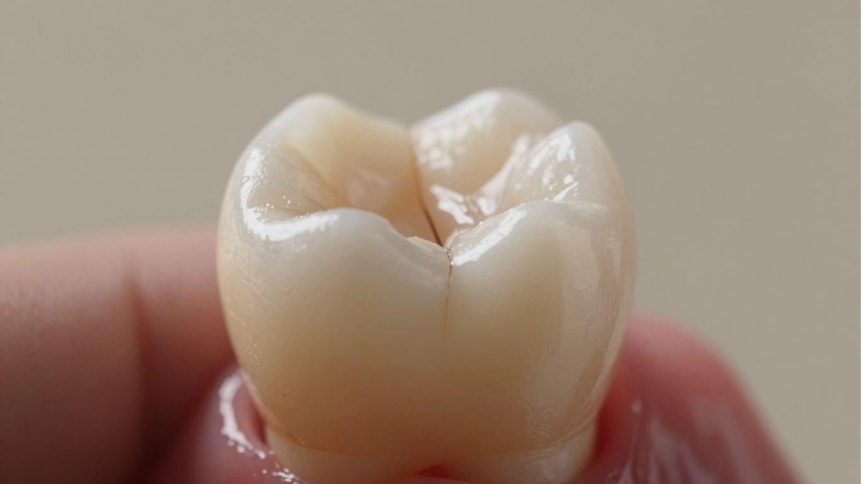
Dealing with a toothache can be a real pain, and sometimes it's more than just a simple ache. When decay or injury reaches the inner part of your tooth, known as the pulp, it can become infected. This infection often leads to discomfort and can require a specific dental procedure. Understanding the signs you need a root canal treatment is key to knowing when to seek professional help. This article will help you figure out how do you know if you need a root canal and what are symptoms of needing a root canal, so you can tell if a tooth needs a root canal and when is a root canal necessary.
Key Takeaways
- Persistent tooth pain, especially that worsens over time or with pressure, is a primary indicator that a root canal might be needed.
- Lingering sensitivity to hot or cold temperatures, even after the stimulus is removed, suggests potential nerve damage or infection within the tooth.
- Visible changes like tooth discoloration (darkening or graying) or the appearance of a bump or pimple on the gums can signal an underlying infection.
- Swelling of the gums or face, along with pain when chewing or touching the tooth, are significant signs that prompt a dental visit to determine if a root canal is necessary.
- While a dentist's examination is the only way to confirm the need for a root canal, recognizing these common symptoms helps in knowing when to seek treatment.
What a Root Canal Is and Why It’s Recommended
A root canal, also known as endodontic treatment, is a dental procedure designed to save a tooth that has become badly decayed or infected. Think of the inside of your tooth, the pulp, as a soft, jelly-like material containing nerves and blood vessels. When this pulp gets damaged or infected, it can cause a lot of problems, and that's where a root canal comes in.
The main goal of a root canal is to remove the infected or damaged pulp from the inner chamber and root canals of the tooth. After the pulp is cleaned out, the inside of the tooth is disinfected, shaped, and then filled with a special material. Finally, the tooth is sealed, often with a crown, to protect it and restore its full function. This process effectively eliminates infection and pain while preserving your natural tooth.
Why would a dentist recommend this? It's usually because the pulp inside the tooth has become inflamed or infected. This can happen for several reasons:
- Deep Cavities: If a cavity is left untreated for too long, bacteria can burrow deep into the tooth and reach the pulp.
- Cracked or Chipped Teeth: An injury or even biting down on something hard can cause a crack or chip, creating an opening for bacteria to enter.
- Repeated Dental Procedures: Sometimes, a tooth might suffer repeated trauma from multiple dental procedures, leading to internal damage.
Without treatment, an infected pulp can cause significant pain and lead to an abscess, which is a pocket of pus. This infection can even spread to other parts of your jaw and body. A root canal is recommended because it's a way to stop the infection, relieve the pain, and keep your tooth in place, preventing the need for extraction. It's a common procedure that helps people keep their smiles intact.
Common Signs You May Need a Root Canal
So, how do you know if you need a root canal treatment? It's not always obvious, but your body often gives you clues. If you're experiencing certain symptoms, it's a good idea to pay attention and schedule a visit with your dentist. Ignoring these signs can lead to bigger problems down the road.
One of the most common indicators is persistent tooth pain. This isn't just a fleeting ache; it's a pain that lingers, maybe deep within the tooth or even radiating to your jaw or other teeth. It might come and go, but it always seems to return. Another big clue is sensitivity. Does your tooth react sharply to hot or cold drinks and foods, and does that sensitivity stick around even after you've stopped consuming them? This prolonged reaction can signal that the nerves inside your tooth are irritated or damaged.
What are symptoms of needing a root canal? Look out for these:
- Persistent Tooth Pain: A constant ache or throbbing that doesn't subside easily.
- Lingering Sensitivity: Sharp pain when exposed to hot, cold, or even sweet things, which lasts longer than a few seconds.
- Swollen Gums: You might notice a small bump or pimple-like swelling on your gums near the painful tooth. This can sometimes ooze pus.
- Tooth Discoloration: A tooth that starts to look darker, perhaps grayish or even blackish, can indicate internal damage or decay.
- Pain When Chewing: Discomfort or pain when you bite down or put pressure on the tooth.
- Chipped or Cracked Tooth: Even if the damage isn't obvious, a crack can allow bacteria to reach the inner pulp.
- Loose Tooth: In some cases, infection can affect the bone supporting the tooth, making it feel a bit wobbly.
Sometimes, the first sign isn't even pain. A tooth might start to change color, or you might notice your gums swelling up near a particular tooth. These changes can happen because the pulp inside the tooth has become infected or died, and the body is reacting to it.
If you're wondering what are symptoms of needing a root canal, these are the main ones to watch for. Don't wait if you suspect something is wrong; early detection is key to saving your tooth.
Underlying Causes That Often Lead to Root Canal Treatment
When a tooth's inner pulp becomes inflamed or infected, it often signals the need for a root canal. This can happen for a few main reasons. Deep decay is a common culprit; if a cavity isn't treated, bacteria can burrow deep into the tooth, reaching the pulp. Trauma to the tooth, even without visible damage like a chip or crack, can also injure the pulp, leading to inflammation or infection over time. Sometimes, repeated dental work on the same tooth can also stress the pulp, making it susceptible to problems. Even a faulty crown or a significant crack can allow bacteria to enter the tooth's core.
The pulp, which contains nerves and blood vessels, can become damaged or infected, leading to pain and potentially an abscess if left untreated.
- Deep Cavities: When decay progresses unchecked, it can breach the protective layers of the tooth and reach the sensitive inner pulp.
- Cracked or Chipped Teeth: Fractures, whether from an injury, grinding, or biting down on something hard, create an opening for bacteria to invade the pulp.
- Tooth Trauma: A blow to the tooth, even if it doesn't break, can cause internal damage to the pulp that may not show up immediately.
- Repeated Dental Procedures: While rare, multiple treatments on a single tooth can sometimes lead to pulp irritation or damage.
How Dentists Determine If a Root Canal Is Needed
So, how does a dentist figure out if you actually need a root canal? It's not just a guess, you know. They have a whole process to get to the bottom of what's going on with your tooth. First off, they'll talk to you about your symptoms. That persistent toothache you've been having? The sensitivity to hot or cold that just won't quit? They're listening to all of it.
Then comes the physical exam. Your dentist will look closely at the tooth in question and the surrounding gums. They might gently tap on the tooth or apply a cold stimulus to see how you react. This helps them pinpoint the source of the pain and gauge the vitality of the tooth's pulp. Sometimes, a tooth might look a bit darker than its neighbors, which can also be a clue that something's going on inside.
Dental X-rays are a really important part of this puzzle. These images allow the dentist to see what's happening beneath the surface, like any signs of infection or damage to the root canals or the bone around the tooth. They can spot abscesses or other issues that aren't visible from the outside.
- Persistent Pain: Any tooth pain that lingers or keeps coming back.
- Sensitivity: Sharp or dull pain when eating or drinking hot or cold items, especially if it lasts a while.
- Gum Issues: Swollen, tender gums, or even a small bump or pimple-like spot on the gums near the sore tooth.
- Tooth Discoloration: A tooth appearing darker or grayish compared to others.
- Swelling: Noticeable swelling in your jaw or face.
What Happens If Root Canal Treatment Is Delayed
Putting off a root canal when you need one can lead to a cascade of problems. That persistent toothache you've been trying to ignore? It's likely to get worse, becoming a constant source of discomfort that can interfere with eating, sleeping, and just generally enjoying life. The infection inside your tooth doesn't just stay put; it can spread.
- Increased Pain and Swelling: The inflammation and infection will likely intensify, leading to more severe pain and noticeable swelling around the affected tooth and jaw.
- Spread of Infection: The bacteria can move beyond the tooth root, potentially affecting the surrounding bone and even spreading to other areas of the head and neck.
- Tooth Loss: If the infection severely damages the bone supporting the tooth, or if the tooth structure becomes too compromised, extraction might become the only option.
- Complications for Other Teeth: An infection can sometimes impact nearby healthy teeth, potentially leading to new problems.
When to See Your Dentist
So, if you've been experiencing persistent tooth pain, unusual sensitivity to hot or cold, or notice your tooth changing color, it's probably a good idea to make an appointment with your dentist. Those little bumps on your gums or a feeling of looseness in a tooth are also worth getting checked out. While the thought of a root canal might sound a bit daunting, remember that modern dental care has made the procedure much more comfortable. The most important thing is to get a professional opinion. Your dentist is the only one who can definitively tell you if a root canal is needed and, more importantly, can help save your tooth and get you feeling better.
Frequently Asked Questions
What exactly is a root canal?
A root canal is a dental procedure. It's like cleaning out the inside of a tooth when the soft part, called the pulp, gets infected or badly damaged. Dentists remove the infected pulp, clean the space, and then fill and seal it up to save the tooth.
Why do I need a root canal?
You might need a root canal if bacteria get into the pulp of your tooth, causing an infection. This can happen from a deep cavity, a cracked tooth, or even an injury. Without treatment, the infection can cause a lot of pain and may lead to losing the tooth.
How can I tell if I need a root canal?
Some common signs include a toothache that won't go away, pain when you bite or touch the tooth, and sensitivity to hot or cold foods and drinks that lasts a long time. You might also notice a pimple-like bump on your gums, or the tooth could look darker than usual.
Does a root canal hurt?
Many people worry about pain, but modern dental care makes root canals much more comfortable. Dentists use numbing medicine to make sure the area is completely asleep. The pain you feel is usually from the infection itself, and the root canal treatment helps get rid of that pain.
What happens if I don't get a root canal?
If an infected tooth isn't treated, the infection can get worse. It can spread to other parts of your mouth and even your jaw. This can cause more pain, swelling, and eventually lead to the tooth needing to be pulled out.
How long does it take to recover from a root canal?
Most people feel much better within a few days after a root canal. You might feel a little sore, but the severe pain from the infection should be gone. Your dentist will likely put a crown on the tooth later to protect it, so you'll need a couple of appointments.
Blog Post Author

Office Manager