
Is a Dental Bridge Permanent
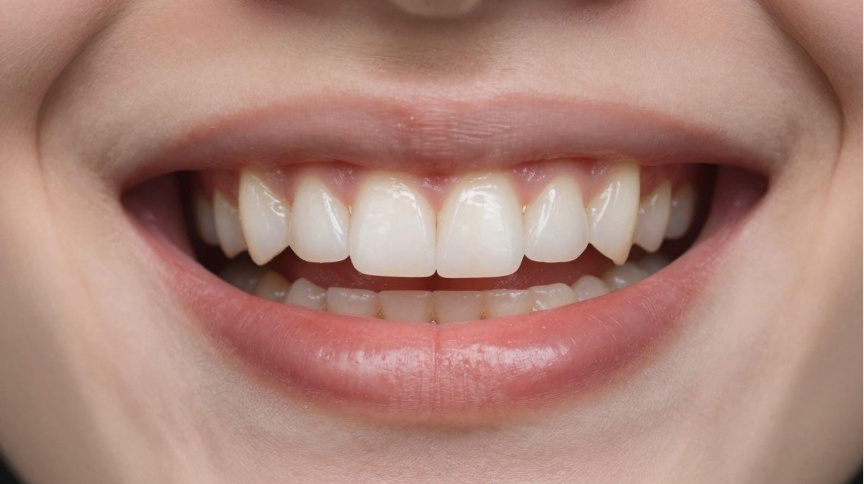
When you lose a tooth, it’s natural to look for ways to fill that gap. Dental bridges are a common choice, and many people wonder if they are a permanent fix. While they are fixed in place and don't come out like dentures, the idea of 'permanent' needs a closer look. This article explores what dental bridges are, how long they typically last, and what you can expect.
Key Takeaways
- Dental bridges are fixed restorations that replace missing teeth but are not considered permanent, usually needing replacement every 5 to 15 years.
- While not permanent, bridges are designed to be long-lasting and are cemented into place, making them feel secure.
- Factors like oral hygiene, the type of bridge, and the health of supporting teeth influence how long a bridge lasts.
- Proper care, including daily brushing and flossing, regular dental checkups, and avoiding harmful habits, can help extend a bridge's lifespan.
- Signs that a bridge may need replacement include looseness, discomfort, visible gaps, or discoloration.
What Is a Dental Bridge?
A dental bridge is a way to fill in the gaps left by missing teeth. Think of it like a bridge connecting two sides of a river – in this case, the "sides" are your natural teeth next to the empty space. This dental prosthetic is designed to look and function like your own teeth. It's made up of a few parts: the artificial tooth (called a pontic) that fills the gap, and at least one dental crown on either side of the gap. These crowns are fitted onto your natural teeth, which act as anchors to hold the artificial tooth firmly in place.
A dental bridge is a fixed solution, meaning it's permanently attached and you can't remove it yourself. It's a common choice for people who have lost one or more teeth and want to restore their smile's appearance and function. It helps you chew food properly, speak clearly, and keeps your remaining teeth from shifting into the empty space. If you're looking for a way to replace missing teeth, a dental bridge is definitely something to consider dental prosthetic.
- Pontic: This is the artificial tooth that sits in the gap. It's made to match the color and shape of your natural teeth.
- Abutment Crowns: These are the crowns that go on the teeth next to the gap. They are prepared by the dentist to fit snugly over your natural teeth, providing a strong base for the bridge.
- Retainers: These are essentially the parts of the crowns that hold the pontic in place.
Are Dental Bridges Considered Permanent?
So, the big question: is a dental bridge permanent? It's a common point of confusion, and the short answer is, not exactly. While a dental bridge is fixed in place and doesn't come out like dentures, it's not a lifetime solution. Think of it more as a long-term restoration rather than something that will last forever without any need for attention or eventual replacement.
When a dental bridge is cemented, it feels very secure. You won't be taking it out to clean it at night, and it's designed to stay put while you eat and talk. This stability is what often leads people to believe it's a permanent fixture. However, like many things in dentistry, bridges are subject to wear and tear over time, and the health of your mouth can change.
There are different types of bridges, and the term "permanent bridge" usually refers to one that's cemented onto the natural teeth or implants. This is different from a removable partial denture. The "permanent" aspect comes from the fact that it's not designed to be taken out by the patient. However, even these cemented bridges have a lifespan.
- Lifespan: Most dental bridges typically last between 5 to 15 years. This range can vary quite a bit depending on several factors.
- Factors Affecting Longevity: Your oral hygiene habits play a huge role. Brushing and flossing diligently, especially around the bridge, is key. The health of the teeth supporting the bridge and your gums also matters. Regular dental checkups allow your dentist to monitor the bridge and catch any potential issues early.
- What is a permanent bridge in dental work? It's a restoration that is cemented or bonded in place and not meant to be removed by the patient. It replaces missing teeth by anchoring to adjacent teeth or implants.
While a dental bridge offers a stable and functional solution for missing teeth, it's important to have realistic expectations about its longevity. It's a durable restoration, but not an eternal one. Proper care and regular dental visits are your best bet for maximizing its lifespan.
How Long Does a Dental Bridge Typically Last?
While a dental bridge is fixed in place and feels very much like your natural teeth, it's not a permanent fixture that will last a lifetime. Think of it more like a long-term solution. On average, most dental bridges can be expected to last somewhere between 5 to 15 years. This timeframe isn't set in stone, though; it really depends on a few things.
- Your daily oral hygiene routine: Brushing twice a day and flossing daily, especially around the bridge, makes a big difference. It's important to clean under the bridge where food particles can get trapped.
- The health of your supporting teeth and gums: If the teeth holding the bridge or your gums become unhealthy, it can affect the bridge's stability.
- Your bite and chewing habits: Just like natural teeth, bridges can wear down over time. Habits like chewing on hard objects or using your teeth to open packages can put extra stress on the bridge.
- Regular dental check-ups: Visiting your dentist for routine cleanings and exams allows them to spot potential issues early on.
Over time, things like gum recession can happen, which might expose the edges of the bridge or the supporting teeth. Also, the natural teeth underneath the crowns that anchor the bridge can still develop cavities. If decay happens, the bridge might need to be removed and replaced.
It's important to have realistic expectations. A dental bridge is a fantastic restoration that can restore your smile and function for many years, but it's not immune to the effects of time and use. Regular care and professional check-ups are key to maximizing its lifespan.
Benefits of Choosing a Dental Bridge
Losing teeth can really throw a wrench in things. It's not just about how your smile looks; it affects how you eat, how you talk, and even your overall confidence. Dental bridges offer a solid way to fix those gaps.
- Restores Smile Appearance: Bridges are made to look just like your natural teeth, blending in seamlessly.
- Improves Chewing and Speaking: They bring back the ability to eat a variety of foods and speak without any lisping or difficulty.
- Maintains Facial Structure: Replacing missing teeth helps support your facial features, preventing that sunken look that can happen with tooth loss.
- Prevents Teeth Shifting: They keep your remaining teeth from moving into the gap left by the missing tooth.
Think of a dental bridge as a way to get your smile back to feeling whole and working properly. It's a reliable solution for many people dealing with missing teeth, helping to keep your mouth healthy and your confidence up. For those looking for a stable option, implant-supported bridges are also available, offering enhanced durability.
While a dental bridge isn't a permanent fixture that lasts a lifetime without any changes, it's designed to be a long-term solution. With good care, it can serve you well for many years, providing a functional and attractive replacement for missing teeth.
The Dental Bridge Process: What Patients Can Expect
Getting a dental bridge usually involves a couple of appointments. It's not a one-and-done kind of thing, but the process is pretty straightforward.
First off, your dentist will give your mouth a good look-over. This is to make sure a bridge is really the best way to go for your situation. If it is, the next step is preparing the teeth that will hold the bridge in place. These are the teeth right next to the gap where you're missing one or more teeth. Your dentist will carefully trim down a bit of enamel from these teeth so that crowns can fit snugly over them later.
After the teeth are prepped, they'll take an impression, kind of like a mold, of your mouth. This mold is super important because it's what the dental lab uses to create your custom bridge. While your permanent bridge is being made, which usually takes a couple of weeks, you'll get a temporary one to wear. This protects your prepared teeth and keeps things looking normal.
When you come back for your second visit, the temporary bridge comes off, and the new, permanent one is put in place. It's cemented onto those prepared anchor teeth. This process is designed to be comfortable, and you'll likely receive local anesthetic to numb the area.
- Initial Consultation & Examination: Assessing your oral health and determining if a bridge is suitable.
- Tooth Preparation: Reshaping the adjacent teeth to accommodate crowns.
- Impressions: Taking molds of your mouth for lab fabrication.
- Temporary Bridge Placement: Wearing a temporary restoration while the permanent one is made.
- Final Placement: Cementing the permanent bridge onto the prepared teeth.
It might take a little bit to get used to your new bridge, kind of like breaking in a new pair of shoes. But soon enough, it should feel pretty natural, letting you chew and speak without any trouble.
It's important to remember that while a dental bridge is a long-term solution, it's not permanent in the sense that it will last forever without any attention. Good oral hygiene and regular dental check-ups are key to making your bridge last as long as possible.
So, Is a Dental Bridge Permanent?
To wrap things up, a dental bridge isn't really a 'forever' fix, even though it's cemented in place and feels very stable. Think of it more like a really good, long-lasting solution rather than something that will never need attention. Most bridges do a great job for many years, usually between 5 and 15, but they do wear out or can have issues over time. Taking good care of it with daily brushing and flossing, especially around the bridge, and seeing your dentist regularly are the best ways to get the most out of it. Knowing this helps you plan and take care of your smile properly. Contact Lakeside Dental ML today to learn more about dental bridges and explore long-lasting tooth replacement options.
Frequently Asked Questions
Is a dental bridge a permanent solution?
While a dental bridge is fixed in place and doesn't come out like dentures, it's not considered a permanent, lifelong solution. Most dental bridges are designed to last for many years, typically between 5 to 15 years, but they usually need to be replaced eventually.
How long can a dental bridge last?
The lifespan of a dental bridge can vary. On average, they last about 5 to 15 years. Factors like how well you care for it, the materials used, and the health of your supporting teeth and gums all play a big role in how long it will stay in good condition.
What can cause a dental bridge to need replacement?
Several things can lead to a bridge needing replacement over time. Gums can recede, exposing parts of the bridge or supporting teeth. Decay can form on the natural teeth under the crowns, even if the bridge itself doesn't decay. Also, bridges can wear down from daily use, and changes in your bite can put stress on them.
How can I make my dental bridge last longer?
Taking good care of your dental bridge is key to extending its life. This means brushing and flossing daily, paying special attention to cleaning under and around the bridge. Regular dental checkups and cleanings are also very important for catching any potential issues early.
Do dental bridges feel like natural teeth?
Once you get used to it, a dental bridge should feel very similar to your natural teeth. It's securely cemented in place, so it won't move when you eat or speak. It might take a little time to adjust, much like getting used to new shoes, but it should become comfortable over time.
Can a dental bridge be removed or repaired?
A dental bridge is cemented onto your natural teeth and is not meant to be removed by the patient. If it becomes loose or needs repair, a dentist can usually remove and recement it, or perform other necessary repairs. However, attempting to remove or fix it yourself is not recommended and can cause damage.
Blog Post Author

Office Manager