
Root Canal Retreatment: What Happens When a Root Canal Fails?
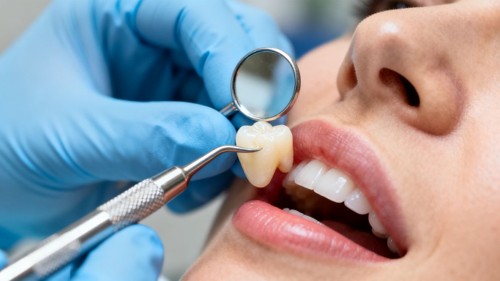
A root canal that doesn't heal as expected isn't the end of the road for your tooth. Root canal retreatment is a second attempt to clean, disinfect, and seal a tooth that didn't heal properly after its first root canal — the original treatment may have left infection behind, or the tooth may have become exposed to new bacteria later. At Lakeside Dental in Moses Lake, Dr. Brad Earl, who received advanced training in endodontics, helps patients understand whether retreatment can save the natural tooth.
Why a Root Canal Can Fail
A root canal can fail for several reasons, and failure doesn't necessarily mean anyone did something wrong. Root canals can be narrow, curved, or more complex than they appeared during the first procedure. A missed canal may allow bacteria to remain, while a leaking crown or filling can let new bacteria enter the tooth. New decay or a crack can create another pathway for infection.
A delayed final restoration can also leave the tooth vulnerable, especially if the temporary material wears down or no longer seals well. Before recommending retreatment, our team examines the tooth and reviews dental images through our Endodontics/Root Canals service to determine whether the tooth can still be predictably restored.
Signs You Need a Root Canal Retreatment
Not every ache in a previously treated tooth means retreatment is necessary. Still, recurring symptoms deserve attention, particularly when they develop after a period of comfort. Pain when biting, tenderness around the gum, or swelling near a previously treated tooth can be among the signs. Some people notice a small pimple on the gum that drains and then returns. Others have sensitivity or a dull pressure that comes and goes, even without severe pain — a tooth can have a persistent problem without producing dramatic symptoms, so a lack of pain doesn't always rule it out.
A consultation is especially sensible when you notice any of the following:
- Pain or pressure while chewing on the treated tooth
- Swelling, drainage, or a recurring pimple on the gum
- New sensitivity or tenderness near the tooth
- A loose, cracked, or damaged crown or filling
These signs are reasons to arrange an examination, not proof that retreatment is the only answer. Seek urgent dental care if swelling spreads, breathing or swallowing becomes difficult, or you develop significant facial swelling or fever.
What Happens During the Retreatment Procedure
During root canal retreatment, the dentist first evaluates the tooth, its restoration, and the surrounding bone. Local anesthetic is used, and the tooth is isolated to keep saliva and bacteria away from the treatment area. The existing crown or filling may need to be opened or removed so the canals can be reached. After the canals are cleaned and disinfected, they're filled again and the tooth receives a new seal or restoration.
The main difference from a first root canal is that retreatment begins with work that has already been done. The clinician must gain access through the existing restoration, remove previous filling material, and search for canals or anatomy that may not have been treated the first time. Some cases can be completed in one visit, while others require more than one appointment, depending on infection, access, and the tooth's condition. Afterward, the tooth usually needs a durable final restoration because a treated tooth can be more vulnerable to fracture.
Root Canal Retreatment Cost
Root canal retreatment cost varies from one tooth and patient to another. A straightforward front tooth may require a different amount of time and restoration work than a back tooth with several canals. The fee for retreatment may also be separate from the cost of removing or replacing a crown, post, or filling. Ask for a written estimate that distinguishes the endodontic procedure from the final restoration.
| Cost Factor | Why It Can Affect the Price |
|---|---|
| Tooth location | Back teeth often have more canals and limited access |
| Existing restoration | Removing a crown, filling, or post may require extra work |
| Diagnostic needs | Additional imaging may be needed to understand anatomy or healing |
| Final restoration | The tooth may need a new crown or other protective restoration |
A useful estimate should account for the whole treatment path, not only the canal procedure. Insurance benefits, deductibles, and local fees can affect what you pay out of pocket, and comparing the estimate with the cost of extraction and tooth replacement can help you make a decision based on both health and finances.
Retreatment vs. Extraction: Which Is Better?
When a root canal has failed, the choice is usually between trying to preserve the natural tooth and removing it. Retreatment may be reasonable when the tooth has enough healthy structure, stable support, and a good chance of receiving a lasting restoration. An examination is needed to assess those factors, especially if a crack is suspected.
Extraction can be the more practical option when the tooth cannot be restored, has a severe fracture, or lacks adequate support — our Extractions page covers what that procedure involves. Removing the tooth doesn't always end treatment; the gap may later need a bridge, implant, or removable replacement, which involves additional procedures, healing time, and maintenance. According to the American Association of Endodontists, teeth that have had root canal treatment can be kept for a lifetime with proper care, but it's possible for those teeth to heal improperly and become painful or diseased months or even years later — if this happens, retreatment offers a second chance to save the tooth. Ask what's causing the failure, whether the tooth is structurally sound, and what the complete cost and timeline would be. You can contact our Moses Lake office to schedule an evaluation.
Conclusion
Root canal retreatment can often address infection or incomplete healing while preserving a natural tooth, but the right choice depends on the tooth's structure and the reason the first treatment failed. Recurring pain, swelling, drainage, or a damaged restoration should prompt an examination rather than a guess. With a clear diagnosis and a full comparison of retreatment, extraction, and restoration costs, you can make a more confident decision about your dental care.
Frequently Asked Questions
Is root canal retreatment painful?
The procedure is performed with local anesthesia, so you should not feel the cleaning itself. The tooth and surrounding area may feel sore afterward, and your dentist can explain appropriate ways to manage discomfort.
How long does root canal retreatment take?
Some cases are completed in one appointment, while more complex teeth may require additional visits. The number of appointments depends on the tooth's anatomy, infection, existing restoration, and treatment response.
Can a tooth need retreatment years later?
Yes. A tooth may develop new decay, a leaking restoration, a crack, or a persistent infection long after the original root canal. A dental examination can help identify the cause.
What are the signs you need a root canal retreatment?
Possible signs include pain when chewing, swelling, drainage, tenderness, or a recurring pimple on the gum near a previously treated tooth. These symptoms can have other causes, so professional evaluation is necessary.
Is retreatment better than extraction?
Retreatment may be preferable when the natural tooth is structurally sound and can be restored. Extraction may make more sense when the tooth is badly fractured or cannot support a restoration. The best choice is case-specific.
How much does root canal retreatment cost?
Root canal retreatment cost depends on the tooth's location, canal complexity, existing restoration, imaging, number of visits, and final restoration. Request a complete estimate that separates each part of treatment.
About the Author
Lakeside Dental is located at 1708 Clover Drive, Moses Lake, Washington. The practice is led by Dr. Brad Sorenson, DMD, Dr. Levi Miller, DMD, and Dr. Brad Earl, DDS. Dr. Earl received his Doctorate of Dental Medicine from Midwestern University, where he completed advanced training in implants, endodontics, and oral surgery. Dr. Miller earned his Doctorate of Dental Medicine from Temple University School of Dentistry, and Dr. Sorenson graduated Magna Cum Laude with his Doctorate of Dental Medicine from the University of Louisville. All three doctors are members of the American Dental Association, the Washington State Dental Association, and the Grant County Dental Association.
Medical Disclaimer
The information provided in this article is for educational purposes only and does not constitute professional medical or dental advice, diagnosis, or treatment. Whether a tooth needs root canal retreatment can only be determined through an in-person dental examination and imaging. Always seek the advice of your dentist or other qualified health provider with any questions regarding a dental condition. Never disregard professional advice or delay in seeking it because of something you have read here.
Blog Post Author

Office Manager