
Dentures for Tooth Loss: Benefits, Types & What to Expect
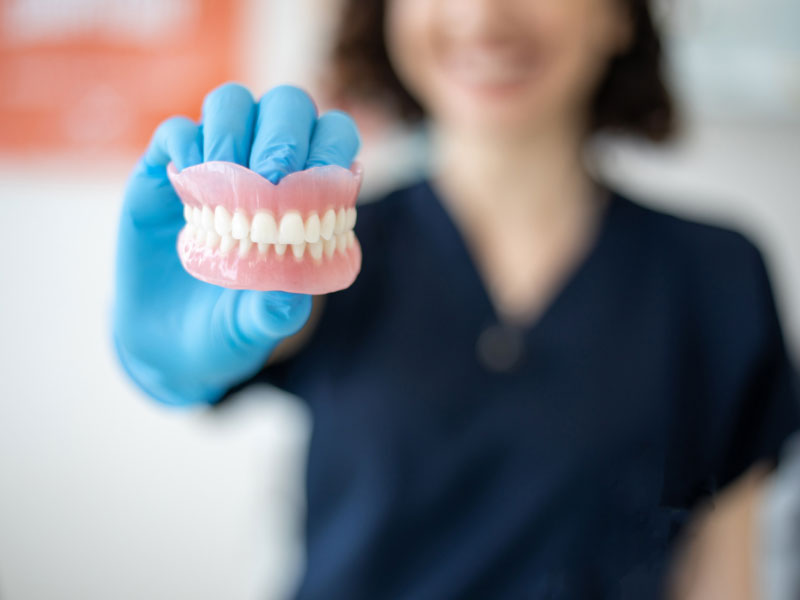
Losing teeth doesn’t just change how your smile looks—it can impact how you eat, speak, and even the shape of your face. Replacing missing teeth restores your oral function, protects your long-term dental health, and prevents new problems from developing.
Many people think dentures are bulky or outdated, but modern dentures are highly advanced. Today’s prosthetics are created using the latest materials and clinical techniques to improve comfort, appearance, and stability. At Lakeside Dental, every denture is customized to optimize function, aesthetics, and durability.
What Happens When You Don’t Have Teeth
Tooth loss can occur due to decay, periodontal disease, injury, or congenital issues. When a tooth is missing, the surrounding bone and teeth begin to shift or shrink. This can gradually change facial appearance and reduce oral stability.
Dentures—partial or full—are one of the most effective ways to restore oral function after tooth loss. They help support the jawbone, maintain facial structure, and improve your ability to speak and chew. For many patients with multiple missing teeth, dentures are the first step toward restoring health and quality of life.
How Dentures Look and Function Today
Modern dentures are more versatile than many people realize. They can replace all missing teeth in an arch (full dentures) or just the spaces left by several missing teeth (partial dentures).
- Full Dentures: Removable appliances that cover the entire upper or lower jaw and rest securely on the gums.
- Partial Dentures: Designed for patients who still have some natural teeth. They clip onto existing teeth to fill in the gaps.
- Implant-Supported Dentures: These dentures attach to titanium implants placed in the jawbone, offering better stability and preventing slippage—especially helpful for the lower arch.
- Immediate Dentures: Temporary appliances placed the same day as extractions to preserve appearance and function during healing. Once tissues heal completely, a long-term, better-fitting denture is made.
What Materials Are Used to Make Dentures?
Denture fabrication is a detailed process involving impressions, bite measurements, and multiple fittings to ensure comfort and natural appearance.
- Acrylic Resin: Most denture bases are made from durable acrylic colored to match natural gum tissue.
- Cobalt-Chromium Framework: Often used in partial dentures for added strength without added weight.
- Porcelain or Acrylic Teeth: Carefully shaped to look realistic and withstand everyday wear.
Modern dentures are designed with precision, taking into account bite alignment, pressure distribution, and support zones. This ensures that the prosthesis not only looks natural but also functions effectively during chewing.
The Real Advantages of Having Dentures
Well-made and properly fitted dentures offer a wide range of benefits, including:
- Improved ability to chew and speak clearly.
- Better nutrition and digestion due to restored chewing function.
- Support for facial muscles, preventing a sunken or aged appearance.
- Protection against drifting or over-erupting natural teeth.
- Increased confidence in social, personal, and professional settings.
Points to Consider Before Choosing Dentures
Although dentures are beneficial, there is an adjustment period. Speaking and chewing may feel different at first, and mild irritation is common—but this improves with adjustments.
Bone resorption continues even after extractions, which may eventually affect denture fit. Some patients may need relines or may benefit from transitioning to implant-supported dentures for improved stability.
Not every denture option works for every patient. The right treatment depends on the condition of your gums, your remaining teeth, bone support, and your personal preferences. At Lakeside Dental, every plan is tailored to the individual.
Caring for Dentures and Oral Tissues Over Time
Dentures require proper maintenance to remain comfortable and functional. Good care includes:
- Removing dentures at night to let tissues rest.
- Cleaning dentures with a special denture brush and solution (not toothpaste).
- Brushing gums, palate, and any remaining teeth daily to prevent irritation and infection.
- Bringing dentures to regular dental checkups to assess fit and oral tissue health.
Over time, dentures may need relining, repairs, or replacement as oral structures change. With good maintenance and professional guidance, dentures can help you maintain a healthy, confident smile for years.
Final Thoughts
Dentures do much more than restore a smile—they improve function, protect oral health, and enhance everyday comfort. With the right materials, care, and professional support, dentures can be a reliable and personalized solution for rebuilding confidence and quality of life.
To learn which denture option is best for you, call 509-761-6568 to schedule a consultation.
Blog Post Author

Office Manager