
What Is the Difference Between a Partial Denture and a Full Denture?
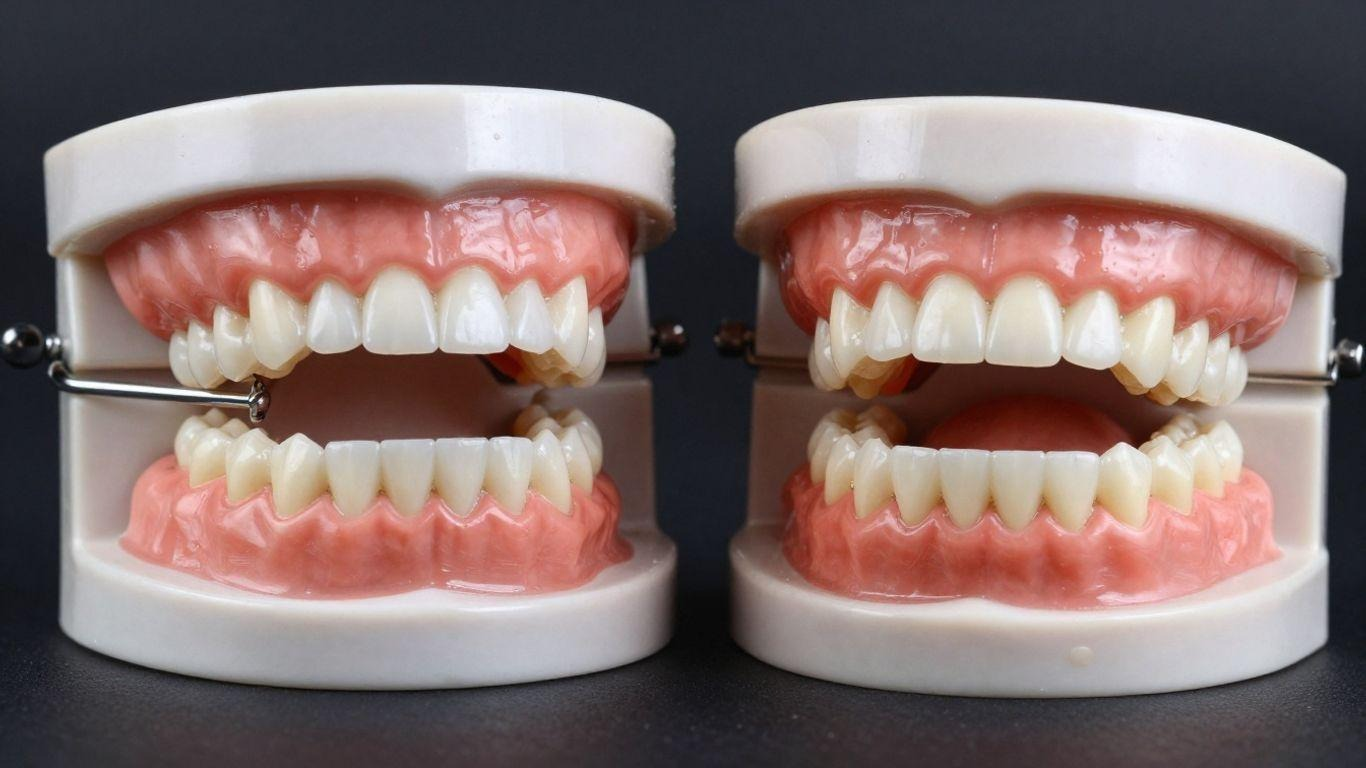
So, you're trying to figure out the difference between a partial denture and a full denture? It can get a little confusing, but honestly, it boils down to how many teeth you're missing. Let's break down the partial denture vs complete denture explained.
Partial Denture vs Complete Denture Explained
Basically, if you've lost all your teeth in an arch (that's either your top or bottom set), you'll likely be looking at a full denture. These guys replace every single tooth. They're made to sit right on your gums and can sometimes need a little help from denture adhesive to stay put. Think of them as a complete set of new chompers.
On the flip side, a partial denture is for when you've still got some good teeth left. These are designed to fill in the gaps where teeth are missing, but they rely on your remaining natural teeth for support. They often have little clips or a framework that hooks onto your existing teeth, keeping everything stable. It's like a puzzle piece that fits in with what's already there.
Here’s a quick rundown:
- Full Dentures: Replace all teeth in an arch.
- Partial Dentures: Replace one or more missing teeth, using remaining teeth for support.
Partial Dentures vs Full Dentures: Pros and Cons
Choosing between the two really depends on your specific situation. Full dentures are great if you have no teeth left, offering a full smile restoration. However, they can sometimes feel a bit less stable initially and might require an adjustment period.
Partial dentures are awesome because they help keep your natural teeth from shifting and can feel more secure right away thanks to those support clips. But, if not cared for properly, they can put a little extra stress on your remaining teeth over time. Plus, they can be a bit more complex to make because they have to fit perfectly with your existing teeth.
When you're deciding, think about how many teeth you've lost and the health of the ones you still have. Your dentist will be the best person to guide you through this.
It's also worth noting that both types require good cleaning habits to keep your mouth healthy and the dentures in good shape. The goal is to get you eating, talking, and smiling comfortably again, no matter which type you end up needing.
Partial vs Full Dentures: Which Do I Need?
Deciding between partial vs full dentures which do I need can feel a bit overwhelming, but it really comes down to what's going on in your mouth. Think of it like this: if you've lost all your teeth in an arch (that's the top or bottom row), you'll likely be looking at full dentures. But if you've only got a few gaps and still have plenty of healthy teeth hanging around, partial dentures are probably the way to go. It's all about filling in the blanks while working with what you've got.
How to Choose Between Partial and Full Dentures
So, how do you actually figure out which one is right for you? It's not a one-size-fits-all situation, and your dentist is your best guide here. They'll look at a few key things:
- How many teeth are missing? This is the big one. If you're missing all your teeth in an arch, full dentures are the answer. If it's just a few missing teeth scattered around, partial dentures are designed to fit in those spaces.
- What's the condition of your remaining teeth? If your natural teeth are strong and healthy, they can act as anchors for partial dentures. If they're weak or unhealthy, your dentist might suggest removing them and going for a full set.
- Your overall oral health. This includes things like your jawbone density and gum health. These factors play a role in how well any type of denture will fit and feel.
- Your personal preferences and budget. Sometimes, what feels right to you and what fits your budget will also influence the decision.
It's important to remember that both types of dentures are designed to improve your smile, help you eat better, and boost your confidence. The goal is to find the solution that best fits your specific needs and helps you feel like yourself again.
Partial Dentures vs Full Dentures: Pros and Cons
Full Dentures
Pros:
- They replace all missing teeth in an arch, giving you a complete smile.
- Can help support your facial structure, preventing that sunken look.
- Often less expensive upfront than implant-supported options.
Cons:
- Can take some getting used to, especially with eating and speaking initially.
- May require denture adhesive for a secure fit, and can sometimes feel less stable than natural teeth.
- Can affect jawbone density over time if not implant-supported.
Partial Dentures
Pros:
- They help preserve your remaining natural teeth and can prevent them from shifting.
- Often feel more stable because they use your natural teeth for support.
- Can be easier to adjust to compared to full dentures.
Cons:
- The clasps that hold them in place can sometimes be visible.
- They can put some stress on your natural teeth if not fitted properly.
- May require adjustments if you lose more teeth later on.
Ultimately, the best choice for you will be determined after a thorough examination by your dentist. They can explain the partial vs full dentures pros and cons in the context of your own mouth.
How Partial and Full Dentures Work
Partial Denture vs Complete Denture Explained
So, how do these things actually work in your mouth? It's pretty straightforward once you break it down. Think of them as custom-made replacements that either fill in for all your teeth or just a few.
Full dentures, also called complete dentures, are designed to replace every single tooth in your upper or lower jaw. They're made to sit right on top of your gums. Since there are no natural teeth left to hold them in place, they rely on suction and a good fit against your gum line. Sometimes, people use a little denture adhesive to make sure they feel extra secure, especially when they're first getting used to them. Newer options involve implant-supported full dentures, which are screwed into implants placed in your jawbone, offering way more stability.
Partial dentures, on the other hand, are for when you still have some healthy teeth hanging around. They're like a puzzle piece that fits into the gaps left by missing teeth. These usually have a base that matches your gum color, with artificial teeth attached. What makes them work is a clever little framework, often made of metal, that has clasps or clips. These clips grab onto your remaining natural teeth, giving the partial denture something to hold onto. This not only keeps the denture in place but also helps stop your other teeth from shifting into those empty spaces.
Here's a quick rundown:
- Full Dentures: Replace all teeth in an arch. They rest on the gums and might need adhesive for extra grip.
- Partial Dentures: Replace one or more missing teeth. They use your natural teeth as anchors with special clips.
The main idea is to give you back the ability to chew, speak clearly, and have a smile you feel good about. Whether it's replacing everything or just a few, the goal is to make your mouth function better.
Which Is More Comfortable and Natural-Looking?
When it comes to comfort and how they look, both types of dentures have come a long way. Dentists work hard to make them look just like your natural teeth, matching the color of your gums and the shape of your face.
For comfort, it really depends on the individual and the type of denture. Full dentures can take a bit of getting used to because they cover your entire gum line. You might feel a difference in how you taste food at first, and it can take some practice to eat and speak normally. However, once you get used to them, they can feel quite comfortable.
Partial dentures often feel a bit more natural right from the start because they use your own teeth for support. The clasps that hold them in place are usually designed to be discreet. Because they aren't covering your whole mouth, you might find it easier to eat and talk with them in. Still, like full dentures, there's an adjustment period, and you'll want to be careful with very sticky or hard foods.
Cost and Care: Partial vs Full Dentures
How Long Do Partial and Full Dentures Last?
When you're thinking about getting dentures, one of the big questions is how long they'll actually stick around. It's not like they're a permanent fixture, you know? Both partial and full dentures have a lifespan, and it really depends on a few things. Generally, you can expect dentures to last anywhere from 5 to 10 years, but sometimes even longer with good care.
Here's a quick rundown of what influences how long they last:
- Materials Used: The type of acrylic or framework your dentures are made from plays a role. Higher quality materials might hold up better over time.
- Your Oral Health: How well you take care of your mouth, including any remaining natural teeth, makes a difference. Regular dental check-ups are super important.
- Changes in Your Mouth: Over time, your jawbone and gums can change shape, especially with full dentures. This can cause them to fit less snugly, and they might need adjustments or even replacement sooner.
- How You Care for Them: This is a big one! Proper cleaning and handling can really extend the life of your dentures.
Caring for Your Dentures
Taking care of your dentures is pretty straightforward, but you've got to be consistent. It's not just about keeping them clean; it's about making sure they function well and last as long as possible.
For both partial and full dentures, here's the general routine:
- Daily Cleaning: You'll want to remove your dentures and clean them every day. Use a soft-bristled brush and a non-abrasive denture cleaner. Avoid regular toothpaste, as it can be too harsh and scratch the material.
- Soaking: Most dentists recommend soaking your dentures overnight in a denture cleaning solution or plain water. This helps keep them moist and prevents them from becoming brittle. Just make sure to rinse them thoroughly before putting them back in your mouth.
- Rinsing After Eating: It's a good idea to rinse your dentures after meals to remove any food particles. This helps prevent irritation and keeps them looking their best.
For partial dentures, you also need to pay attention to the clasps or attachments that hold them in place. Make sure these are clean and not putting too much pressure on your natural teeth. If you notice any issues with the fit or feel of your dentures, don't wait too long to call your dentist. Adjustments are often much simpler and cheaper than replacing the whole thing.
Cost Comparison
Okay, let's talk money. The cost is definitely a factor when deciding between partial and full dentures. Generally speaking, full dentures tend to be more expensive upfront because they are replacing an entire arch of teeth. This often involves extractions and the fabrication of a complete set of artificial teeth.
Partial dentures, on the other hand, can be less expensive because they're only replacing a few teeth. However, the cost can vary quite a bit depending on the materials used for the framework (like metal or flexible plastics) and the number of teeth being replaced. Sometimes, a very complex partial denture with a lot of custom features can end up costing a good chunk of change, too.
Here's a simplified look:
- Full Dentures: Higher cost due to complete tooth replacement, extractions, materials, and lab fees.
- Partial Dentures: Lower to moderate cost depending on framework material, number of teeth replaced, and customization.
It's always best to get a detailed quote from your dentist, as prices can differ based on your specific needs and the dental practice.
Wrapping It Up
So, what's the big deal between partial and full dentures? Basically, full dentures are for when you've lost all your teeth in an arch, while partials are for filling in just a few gaps when you still have some healthy teeth left. Both can make a huge difference in how you eat, talk, and feel about your smile. The best way to figure out which one is your ticket to a happier mouth is to chat with your dentist. They'll look at your teeth, your jaw, and your budget to help you make the right call. No matter which you choose, taking good care of them is key to keeping your smile looking and feeling great for years to come.
Frequently Asked Questions
What exactly is a full denture?
Think of a full denture as a complete set of false teeth for your top or bottom jaw. It's used when you don't have any natural teeth left in that area. It fits right over your gums and helps support your face so you don't look sunken in.
And a partial denture?
A partial denture is like a puzzle piece that fills in the space where one or a few teeth are missing. It hooks onto your remaining natural teeth, which helps keep it steady and stops your other teeth from moving around.
How do I know if I need a full or partial denture?
It really comes down to how many teeth you're missing. If you're missing all the teeth in a row, you'll likely need a full denture. If you still have a good number of healthy teeth, a partial denture is probably the way to go.
Are dentures comfortable?
Both types can feel a bit strange at first, and it takes some time to get used to them. Full dentures might feel a little loose sometimes, especially on the bottom, but partials usually feel more secure because they're attached to your own teeth. Most people get used to them pretty quickly, though!
How do I clean them?
You'll need to take them out to clean them. For full dentures, you usually soak them overnight in a special solution and brush them. Partial dentures need to be brushed too, and sometimes you'll remove them to clean them more thoroughly. Your dentist will show you the best way to keep them sparkling.
How long will they last?
Dentures don't last forever. They usually need to be replaced or adjusted every 5 to 10 years. This is because your mouth changes over time, and the dentures might not fit as well anymore. Regular check-ups with your dentist are important.
Blog Post Author

Office Manager