
What is a Full Arch Dental Implant
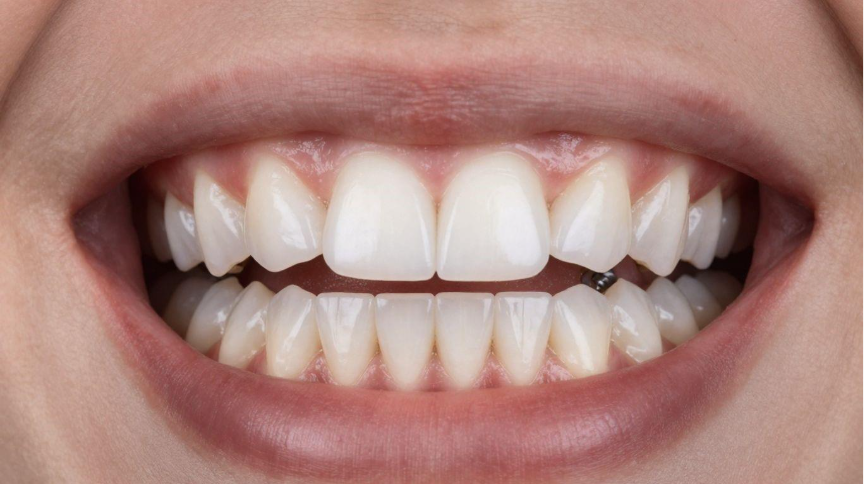
Losing teeth can be a big deal, affecting how you eat, speak, and even how you feel about your smile. For those who need to replace a whole row of teeth, either on the top or bottom, there are options beyond traditional dentures. Full arch dental implants offer a more stable and natural-feeling solution. But what exactly is a full arch dental implant, and how does it work? Let's break it down.
Key Takeaways
- A full arch dental implant replaces all the teeth in an entire jawline using a few strategically placed implants as anchors.
- This method is often referred to as implant-supported dentures or All-on-4, depending on the specific technique.
- Implants fuse with the jawbone, providing a strong foundation that helps prevent bone loss, unlike traditional dentures.
- The process involves placing titanium posts into the jaw, allowing them to heal and fuse with the bone before attaching the artificial teeth.
- Full arch implants offer improved stability, comfort, and appearance compared to conventional dentures, allowing for more confident eating, speaking, and smiling.
What Is a Full Arch Dental Implant?
When we talk about replacing teeth, most people think about getting one or two teeth fixed. But what happens if you're missing a lot of teeth, or even a whole row? That's where full arch dental implants come in. Essentially, a full arch dental implant is a way to replace all the teeth in either your upper or lower jaw, or both, using a set of strategically placed implants.
So, what is considered an arch in dental implants? In dental implants, what is an arch refers to the entire row of teeth on your upper or lower jaw. When you hear 'what is an arch in dental implants mean,' it's talking about that complete set. Instead of individual implants for every single missing tooth, a full arch dental implant system uses a few implants – often four, but sometimes more – that are surgically placed into your jawbone. These implants act like anchors for a full set of new, artificial teeth.
This approach is a significant step up from traditional dentures. Think of it as a permanent, stable solution that feels much more like your natural teeth. It's designed to give you back the ability to eat, speak, and smile with confidence, without the worry of slipping or discomfort.
Full arch dental implants offer a stable and natural-feeling replacement for an entire row of missing teeth, using a few strategically placed implants as anchors for a full set of prosthetic teeth.
This method is a game-changer for people who have lost most or all of their teeth due to decay, gum disease, or injury. It's not just about filling gaps; it's about restoring the function and appearance of your entire smile.
Key Components of a Full Arch Implant System
When you're looking at replacing a whole row of teeth, a full arch dental implant system is made up of a few main parts that work together. It's not just one thing; it's a team effort to give you back a functional and good-looking smile.
First, you have the implants themselves. These are small, screw-like posts, usually made of titanium, that are surgically placed into your jawbone. Think of them as artificial tooth roots. They're designed to be super stable and fuse with your bone over time, creating a solid foundation. You'll typically need a few of these strategically placed to support the entire arch of teeth.
Next up is the abutment. This is a connector piece that attaches to the implant post. It sticks out just enough from the gum line to support the new artificial teeth. It's like the bridge between the implant in your jaw and the teeth you see.
Finally, there are the prosthetic teeth, which is the visible part that looks and feels like your natural teeth. This could be a full bridge or a set of individual crowns attached to the abutments. These are custom-made to match your existing teeth in color, shape, and size, so they blend in naturally.
The success of the entire system relies on the stable integration of these components.
- Implant Posts: Titanium screws placed in the jawbone to act as artificial roots.
- Abutments: Connectors that attach to the implant posts and support the new teeth.
- Prosthetic Teeth: The custom-made crowns or bridge that look and function like natural teeth.
This combination allows for a secure and long-lasting replacement for missing teeth, giving you back the ability to eat, speak, and smile with confidence. It's a pretty neat bit of engineering for your mouth, really. For more details on these solutions, you can check out full arch implant solutions.
The goal is to create a stable, functional, and aesthetically pleasing result that feels natural and lasts for years to come.
How Full Arch Dental Implants Work
Full arch dental implants are a way to replace a whole row of missing teeth, either on your top jaw or your bottom jaw. Instead of getting an implant for every single tooth you're missing, this method uses just a few strategically placed implants to support a full set of new teeth. It's a pretty clever system that gives you back a complete smile.
The process usually starts with a thorough check-up and some planning. Your dental team will look at your mouth and figure out the best spots to place the implants. These implants are small, screw-like posts, typically made of titanium, that are surgically placed into your jawbone. Think of them as artificial tooth roots.
Once those posts are in place, they need time to heal. This is a really important step because the bone in your jaw actually fuses with the titanium posts. This fusion creates a super strong and stable foundation. It can take a few months for this to happen properly.
After the implants have bonded with your jawbone, the next step is to attach what's called an abutment to each implant. The abutment is like a connector piece that sticks out slightly from the gum line. Finally, a full set of artificial teeth, designed to look and feel like your natural ones, is attached to these abutments. This creates a stable, non-removable (unless by your dentist) set of teeth that function much like your own.
- Consultation and Planning: Your dentist assesses your oral health and plans the implant placement.
- Implant Placement: Small titanium posts are surgically inserted into the jawbone.
- Healing and Fusion: The jawbone fuses with the implant posts over several months.
- Abutment Attachment: Connector pieces are attached to the healed implants.
- Prosthesis Placement: A full arch of artificial teeth is secured to the abutments.
This whole process is designed to give you a stable, functional, and natural-looking smile, even if you've lost many teeth. It's a significant step up from traditional dentures because it provides a permanent solution that doesn't rely on adhesives or suction.
Full Arch Dental Implants vs. Traditional Tooth Replacement Options
When you're looking at ways to replace missing teeth, especially if you're missing many or all of them on an arch, you've got a few paths you can take. Traditional dentures and bridges have been around for a long time, and they work for some people. But full arch dental implants offer a different approach, and for many, it's a much better one.
Traditional dentures, for example, sit on top of your gums. They can be held in place with adhesives or suction. While they can restore some function and appearance, they often come with challenges. They can slip when you eat or talk, which can be embarrassing and make it hard to enjoy your food. They also don't prevent the bone loss that happens when teeth are missing, which can lead to a "sunken" facial appearance over time. Plus, they usually need to be replaced or relined every 5-8 years, adding to the long-term cost.
Bridges are another option, but they typically require altering healthy adjacent teeth to support the bridge. This can weaken those natural teeth over time.
Full arch dental implants, on the other hand, provide a stable, permanent solution that integrates with your jawbone. Unlike dentures, they don't rely on suction or adhesives. The implants act like artificial tooth roots, giving your new teeth a solid foundation. This not only improves chewing and speaking ability but also helps preserve your jawbone, maintaining your facial structure.
- Stability: Can slip or shift with traditional dentures, while full arch dental implants are very stable and fixed.
- Bone Preservation: Traditional options do not prevent bone loss, whereas implants help preserve bone.
- Longevity: Traditional solutions often need replacement, while implants can last a lifetime.
- Maintenance: Dentures may require relining and adhesives, while implants require regular brushing and cleaning.
- Feel & Function: Traditional options can feel unnatural, while implants provide a natural feel and function.
While the initial investment for full arch implants might be higher than for traditional dentures, the benefits in terms of comfort, stability, and long-term oral health are significant. Many find that over time, the durability and reduced need for replacements make them a more cost-effective choice. If you're considering replacing a full arch of teeth, discussing the advantages of implant-supported options with your dentist is a great first step towards a more confident smile. You can find more information about complete dentures and their lifespan.
Patient-Centered Benefits of Full Arch Dental Implants
Getting a full arch of dental implants can really change things for the better. It's not just about having a nice smile, though that's a big part of it. These implants are designed to feel and work like your own teeth, which makes a huge difference in everyday life.
- Improved chewing ability: Eat a wider variety of foods without discomfort or worry.
- Enhanced speech: Speak clearly and confidently without impediments.
- Natural appearance: Maintain the shape of your face and a full, attractive smile.
- Long-term solution: Implants are designed to last for many years, often a lifetime, with proper care.
- Bone preservation: Helps prevent jawbone loss, supporting facial structure.
Many people find that the biggest win with full arch implants is regaining a sense of normalcy. It's about being able to enjoy meals with family, engage in conversations without self-consciousness, and simply feel more like yourself again. The stability and natural feel are game-changers.
Think about it: no more messy adhesives, no more worrying about your teeth moving during an important meeting or a fun dinner. It's a restoration that truly integrates with your body, offering a stable and reliable foundation for your new teeth. This can lead to a significant boost in self-esteem and overall quality of life.
Wrapping Up Your Full Arch Implant Journey
So, if you're dealing with missing teeth across a whole arch, a full arch dental implant, whether it's implant-supported dentures or the All-on-4 method, really is a game-changer. It's not just about getting new teeth; it's about getting back the confidence to eat, speak, and smile without a second thought. These implants offer a stable, long-lasting solution that can make a huge difference in your daily life. If this sounds like something that could help you, talking to your dentist or an oral surgeon is the next best step. They can look at your specific situation and figure out the best way forward for your smile. Contact Lakeside Dental ML today to learn more about full arch dental implants and restore your complete smile with confidence.
Frequently Asked Questions
What exactly is a full arch dental implant?
A full arch dental implant is a way to replace a whole row of missing teeth, either on the top or bottom of your mouth. Instead of getting an implant for every single tooth, a few implants are placed in your jawbone. These implants act like anchors for a new set of artificial teeth that cover the entire arch.
How many implants are usually needed for a full arch?
Typically, about four dental implants are used to support a full arch of replacement teeth. This method is often called 'All-on-4', referring to the four implants strategically placed to hold the new teeth securely.
Are full arch implants the same as dentures?
They are related but different. Traditional dentures are removable and rest on your gums. Full arch implants, also known as implant-supported dentures, are attached to implants surgically placed in your jawbone. This makes them much more stable and feel more like natural teeth.
Can I remove my full arch implants myself?
With the 'All-on-4' treatment, the full arch replacement is permanent and can only be removed by a dental professional. Some other types of implant-supported dentures might be removable for cleaning, but they still snap onto the implants securely.
What are the main advantages of full arch implants over regular dentures?
Full arch implants offer better comfort because they don't rub on your gums. They provide stronger support, so you can eat and speak with more confidence without worrying about slipping. Plus, they help keep your jawbone healthy, which regular dentures don't do.
How long do full arch dental implants last?
When cared for properly, dental implants are designed to last for many years, often a lifetime. The implants themselves fuse with your jawbone, creating a very strong and lasting foundation for your new teeth.
Blog Post Author

Office Manager