
Why Does a Cracked Tooth Cause So Much Pain
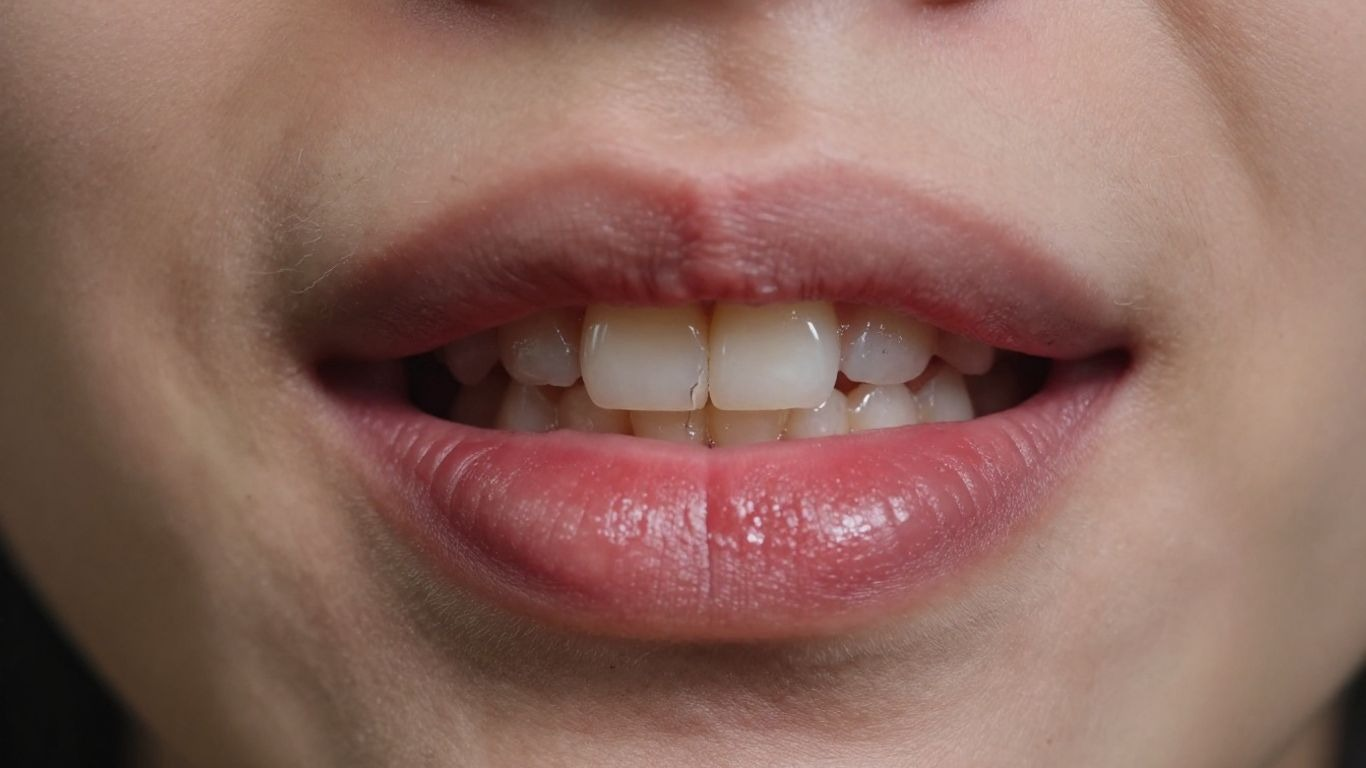
So, you've got this nagging toothache, and you're wondering, why does a cracked tooth cause so much pain? It's not just in your head. That tiny fracture, sometimes invisible to the naked eye, can really mess with your comfort. It all comes down to what's happening inside your tooth.
How does a crack in a tooth trigger nerve pain?
Think of your tooth like a hard shell with a soft, sensitive center. This inner part, called the pulp, is where all the nerves and blood vessels hang out. When a crack forms, it's like a highway opening up into that sensitive area.
- Pressure Changes: When you bite down, chew, or even sip something hot or cold, the crack can open up just a tiny bit. This movement irritates those exposed nerves in the pulp, sending sharp, sudden pain signals to your brain. It's like poking a bruise – ouch!
- Temperature Sensitivity: That same crack lets hot and cold temperatures reach the pulp much faster than they should. So, that ice cream or hot coffee that used to be enjoyable can suddenly feel like a jolt of pain.
- Bacterial Invasion: Cracks also provide an easy entry point for bacteria. If they get into the pulp, they can cause inflammation and infection, leading to a deeper, more persistent ache.
It's wild how something so small can cause such a big reaction. The pain might come and go, making it tricky to pinpoint, but it's your body's way of saying something's not right inside that tooth.
Sometimes, the pain isn't even felt directly on the cracked tooth. It can bounce around, making it feel like a different tooth is the problem. This is why it's so important to get it checked out by a dentist, even if the pain seems to disappear on its own.
Cracked Tooth Syndrome Symptoms You Should Know
So, you've got this nagging toothache, but it's not the kind that just sits there. It comes and goes, right? That's often a big clue that you might be dealing with something called cracked tooth syndrome. It's not always obvious like a cavity, and that's what makes it tricky.
How is cracked tooth syndrome different from a regular cavity?
A cavity is basically a hole that forms in your tooth, usually from decay. It's pretty straightforward. A cracked tooth, though, is a bit more sneaky. The crack might be tiny, even invisible to the naked eye, but it can still cause a whole lot of trouble. Unlike a cavity, where the damage is usually contained, a crack can go deep into the tooth, sometimes all the way to the root. This means it can affect the nerve inside the tooth, leading to that weird, intermittent pain.
Here are some of the common cracked tooth syndrome symptoms to watch out for:
- Sudden, sharp pain when you bite down: This is a classic sign. When you chew, the crack can open up a little, irritating the sensitive parts inside. It usually stops when you release the pressure.
- Lingering sensitivity to hot or cold: If your tooth aches after sipping something hot or cold, or even after eating something sweet, that's another red flag. The crack exposes the inner layers of your tooth, making them react to temperature changes.
- Pain that comes and goes: This is the most frustrating part. The pain might be there one minute and gone the next, making it hard to pinpoint the problem. It often flares up when you're eating or drinking something.
- Swollen gums around the sore tooth: Sometimes, bacteria can get into the crack, causing an infection. This can lead to swelling and tenderness in the gums near the affected tooth.
It's easy to brush off these symptoms, especially if the pain isn't constant. But ignoring a cracked tooth can lead to bigger problems down the road, like infection or even losing the tooth. So, if you're experiencing any of these, it's best to get it checked out by a dentist sooner rather than later.
Why a Cracked Tooth Hurts When Chewing — The Real Reason
So, you bite into something, maybe a piece of crusty bread or a rogue popcorn kernel, and BAM! A sharp, sudden pain shoots through your tooth. This is a classic sign that you might be dealing with a cracked tooth, and it's a really common reason why cracked tooth hurts when chewing. It’s not just random discomfort; there’s a specific reason this happens.
How Chewing Triggers the Pain
When you bite down, you're applying pressure. If your tooth has a crack, even a tiny one you can't see, that pressure can force the crack to open up just a little bit. Think of it like a tiny hinge. Inside your tooth, beneath the hard outer enamel, is a softer layer called dentin, and deeper still is the pulp, which is where all the nerves and blood vessels live. When that crack opens, it can irritate these sensitive nerves. The pain you feel is your nerves screaming because they're being pinched or exposed.
- The pressure from biting pushes the crack edges apart.
- This movement irritates the nerves inside the tooth.
- The pain is often sharp and quick, stopping when you release the bite.
It can be super frustrating because the pain might only happen when you chew, and then it goes away. This makes it tricky to pinpoint which tooth is the culprit, especially if the pain seems to spread around.
Sometimes, the pain isn't just a dull ache. It can be a jolt that makes you question what you just ate. It’s your body’s way of saying, 'Hey, something’s not right here!' Don't brush it off just because it stops when you're done chewing.
Is Every Bite a Risk?
Not every single bite will cause agony, but certain foods are definitely worse offenders. Hard candies, ice, tough meats, or even sticky caramel can put enough force on the tooth to trigger that pain. It’s the act of biting down and then releasing that pressure that causes the crack to flex and the nerves to react. If you notice a pattern of pain specifically when you're chewing, especially on one side, it's a strong indicator that a cracked tooth is the real reason behind your discomfort.
Cracked Tooth Pain Causes and Treatment Options
So, your tooth is cracked, and it's really giving you grief. It's not just a little ache; it's that sharp, sudden pain that makes you rethink every bite. Understanding the cracked tooth pain causes and treatment options is the first step to getting some relief.
When a tooth cracks, it's like a tiny highway opening up for all sorts of irritants to get to the sensitive parts inside. This is why biting down can feel like a lightning strike, or why that cold drink suddenly feels like fire. The crack itself can also cause the tooth to flex slightly when you chew, which irritates the nerves deep inside. It's a whole mess of discomfort.
When does a cracked tooth need a crown vs extraction?
Deciding between a crown and an extraction isn't always straightforward, and it really depends on how bad the crack is and where it's located. Your dentist will be the one to make the final call, but here's a general idea:
- Crowns: These are usually the go-to for cracks that are significant but haven't gone too far down the tooth. Think of a crown as a sturdy helmet for your tooth. It covers the entire damaged part, restoring its strength and shape so you can chew without that awful pain. It's a great way to save a tooth that's taken a beating.
- Extractions: Sometimes, a crack is just too deep. If it runs all the way down past the gum line, or if the tooth is basically in pieces, it might be beyond saving. In these cases, pulling the tooth is the only option to prevent further problems and infection.
It's a tough decision, but the goal is always to save the tooth if possible. Early detection really makes a difference here.
The uncertainty of not being able to pinpoint the exact source of the pain can be really frustrating. It might feel like the pain is everywhere, making it hard to focus on anything else. But don't worry, dentists have ways to figure out exactly what's going on, even if it's not obvious at first glance.
Cracked Tooth Symptoms and What to Do Before Seeing a Dentist
So, you think you might have a cracked tooth? It’s not always obvious, and sometimes the pain can be super weird, popping up when you least expect it.
Don't ignore those odd twinges or sharp pains, especially when you bite down. They could be your tooth's way of telling you something's not right.
Here are some cracked tooth symptoms and what to do before you get to the dentist:
- Sudden, sharp pain: This often happens when you bite or chew, but it can also strike when you sip something cold or even just breathe in. It's like a surprise attack from your own mouth.
- Lingering sensitivity: Your tooth might ache for a while after eating or drinking something hot, cold, or sweet. It’s like the sensitivity you get from a cavity, but it just won't quit.
- Pain when chewing: This is a big one. If biting down feels like a gamble, and you're trying to avoid putting pressure on a specific tooth, that's a major clue.
- Swelling around the gum line: Sometimes, a crack can irritate the gums, leading to a little puffiness or even a small bump that looks like a pimple. That's often a sign of infection brewing.
If you suspect a cracked tooth, here’s what you can do to manage the discomfort until your dental appointment:
- Rinse with warm salt water: Mix about half a teaspoon of salt in a cup of warm water and swish it around. It helps keep the area clean and can soothe irritation.
- Use a cold compress: If your cheek is feeling swollen or tender, gently apply a cold pack wrapped in a cloth to the outside of your face for about 15-20 minutes at a time.
- Take over-the-counter pain relievers: Medications like ibuprofen or acetaminophen can help take the edge off the pain and reduce any swelling. Just follow the dosage instructions on the package.
It's really important to remember that you can't fix a cracked tooth at home. Trying to do so might actually make things worse. The best thing you can do is get it checked out by a dentist as soon as possible. They have the tools to figure out exactly what's going on and how to fix it properly, whether it's a simple filling or something more involved.
So, What's the Takeaway?
Look, nobody wants a cracked tooth. It’s a real pain, literally. The nerves inside are just begging for some peace, and when they don't get it, boy, do you know about it. Whether it’s a sharp jab when you bite down, a weird sensitivity to hot or cold, or even just a nagging ache, it’s your mouth telling you something’s up. The good news? Dentists have gotten pretty good at fixing these things. From simple fillings to more involved procedures like crowns or root canals, they can usually sort it out and save your tooth. So, if you’re feeling any of those weird tooth sensations, don’t just tough it out. Get it checked out. Seriously, your mouth will thank you. Contact Lakeside Dental ML today for expert evaluation and relief from cracked tooth pain
Frequently Asked Questions
Why does a cracked tooth hurt so much?
When a tooth cracks, it exposes the sensitive inner parts, like the pulp where the nerves are. Chewing or even changes in temperature can push the crack open slightly, irritating these nerves and causing sharp or throbbing pain. It's like having a tiny open wound inside your tooth.
What's the difference between a cracked tooth and a cavity?
A cavity is decay that creates a hole in the tooth. A cracked tooth has a physical break or split in its structure. While both can cause pain and sensitivity, a crack can cause pain when you bite down because the pieces move, which usually doesn't happen with a simple cavity.
Does pain when biting always mean my tooth is cracked?
Pain when biting or chewing is a big clue that something's wrong, and a cracked tooth is a common cause. However, other issues like a deep cavity or a problem with a filling could also cause this. It's best to see a dentist to figure out the exact reason for the pain.
When does a cracked tooth need a crown instead of just a filling?
A filling might be enough for small cracks that are only on the surface. But if the crack is deep, affects a large part of the tooth, or weakens the tooth significantly, a crown (a cap that covers the whole tooth) is usually needed to protect it and keep it strong.
Can a cracked tooth heal on its own?
Unfortunately, no. Once a tooth is cracked, it can't heal itself. The crack might get worse over time, leading to more pain or infection. That's why it's important to see a dentist as soon as you suspect a crack.
What can I do to ease the pain before seeing the dentist?
You can try rinsing your mouth with warm salt water to keep it clean. Taking over-the-counter pain relievers like ibuprofen can help with the discomfort and swelling. Applying a cold pack to the outside of your cheek can also reduce swelling and numb the area a bit.
Blog Post Author

Office Manager