
How Long Do Dentures Last? When to Replace Them
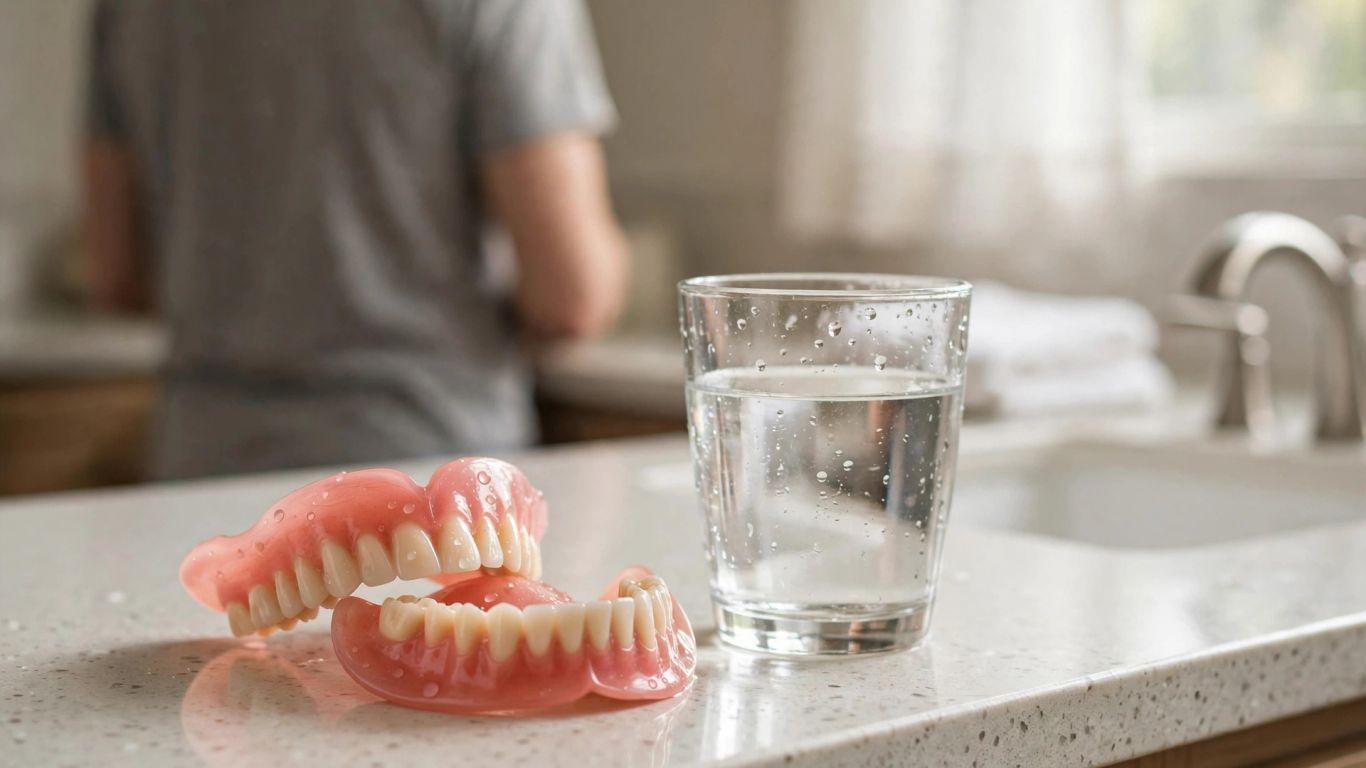
Dentures can serve you well for years, but they are not meant to last indefinitely. Their useful life depends on the type you wear, how they fit as your mouth changes, and how they are cared for. A familiar estimate for full dentures is about five to 10 years, though an individual timeline can be shorter or longer. Fit and function matter just as much as the calendar.
How long dentures typically last
Full dentures often need replacing every 5 to 10 years
Many full dentures need replacement within roughly five to 10 years. Daily chewing gradually wears their teeth, while changes in the gums and jaw can make the base less stable. Some people may need a reline or repair before a full replacement. A dentist can assess the condition of your dentures and how well they work for you.
Partial dentures may last longer with a stable fit and good care
Partial dentures can remain useful for years when they fit well and the teeth supporting them stay healthy. If nearby teeth shift or are lost, the partial may no longer fit as intended. Learn more about the different types of partial dentures.
Implant-supported dentures have different wear and replacement timelines
An implant-supported denture relies on implants for support, but the denture and its supporting components do not necessarily share the same lifespan. The denture may need maintenance while the implants remain in place. See how implant-supported overdentures compare with traditional dentures.
Why your own timeline may vary
Material and design, how often the denture is worn, changes in the mouth, and any damage all play a part. Think of the usual lifespan as a guide, not a deadline.
What affects how long dentures last
Dentures experience daily pressure from chewing and speaking, and their fit can change as the mouth changes. Care habits can limit avoidable wear, but they cannot stop natural changes in the gums or jaw.
Changes in your gums and jaw can affect the fit
After teeth are lost, the shape of the gums and underlying jaw may change over time. A denture that once felt secure can become loose or press unevenly. That is not necessarily a sign of poor care; a dentist can determine whether an adjustment, reline, or replacement is appropriate.
Daily cleaning and storage habits matter
Regular cleaning removes food debris and buildup, while careful handling reduces the chance of accidental damage. Some cleaning methods may harm denture material, so follow the care directions given for your appliance.
Material, design, and chewing forces affect wear
Everyday use puts pressure on denture teeth and the base. The table gives a general sense of how factors relate to wear; it is not a prediction for a particular denture.
| Factor | Possible effect | What to keep in mind |
|---|---|---|
| Daily chewing | Gradual wear on denture teeth | Mention changes in chewing comfort at checkups |
| Denture material and design | Different parts may wear or need care differently | Ask what applies to your specific appliance |
| Changes in the mouth | Fit may become less stable | A fit assessment can help identify the cause |
| Accidental drops or rough handling | Cracks or chips may occur | Handle dentures over a soft, safe surface |
Ill-fitting dentures can wear down faster
A denture that moves or rocks may put uneven pressure on the appliance and the mouth. If the fit has changed, avoid sanding or bending the denture yourself and get the cause checked.
Signs it may be time to replace your dentures
Some problems can be addressed with a repair or fit adjustment, while others point toward replacement. If pain or irritation persists, contact a dental professional rather than putting up with it.
They slip, rock, or feel uncomfortable
Dentures that shift during conversation or meals may no longer fit the shape of your mouth well. An examination can help determine what correction, if any, is needed.
You notice cracks, chips, or worn-down teeth
A small crack can worsen, and worn denture teeth may affect how your teeth meet. Do not glue broken pieces together with household products.
Your bite or speech has changed
A change in how your teeth meet or how clearly you speak can be related to denture fit or wear, but it may also have another cause. Tell your dentist what changed and when.
You have sore spots or trouble chewing
Persistent sore areas or tenderness can signal a fit issue or another oral health concern. Short-lived discomfort can happen with new dentures, but ongoing symptoms deserve attention.
Repair, reline, or replace: what’s the difference?
A repair focuses on damage, a reline changes the fit of the existing base, and replacement means making a new appliance. Which makes sense depends on the condition of the denture and your mouth, not just its age.
A repair may fix a small crack or broken tooth
When damage is limited and the denture is otherwise serviceable, a repair may be an option. Avoid do-it-yourself adhesives or tools.
A reline can improve the fit of existing dentures
A reline adjusts the surface of the base that rests against the gums so it fits the current shape of the mouth. It does not renew worn teeth or fix every kind of damage.
Replacement may be needed when dentures are worn or damaged
A new denture may be recommended if the existing one is significantly worn, repeatedly damaged, or no longer fits well enough to function comfortably. Your dentist can weigh fit, function, appliance condition, and oral health together.
Why a professional evaluation can help you choose
Looseness could reflect a change in the gums, damage to the appliance, or both. An examination lets the dentist assess your mouth and the denture before suggesting a next step.
How to help your dentures last longer
A steady care routine can help protect your dentures from avoidable damage. It will not prevent every change in fit, but small habits add up. For a full routine, see our daily denture maintenance guide.
Clean them daily with products made for dentures
Ordinary toothpaste may be too abrasive for some denture surfaces, and hot water can distort some appliances. A few practical steps:
- Rinse the denture after meals when practical.
- Clean it gently with a denture brush and suitable cleanser.
- Clean your gums, tongue, and any remaining natural teeth as advised.
- Store the denture as directed when it is not being worn.
Handle and store them carefully
Handle dentures over a folded towel or a basin partly filled with water in case they slip. Keep them away from pets and small children, and never wrap them in a tissue.
Keep up with dental checkups and fit assessments
Regular visits let a professional check how the dentures fit and look for changes in your mouth. Mention looseness, sore spots, or chewing changes rather than waiting for a routine visit.
Avoid DIY adjustments and repairs
Filing an edge, bending a clasp, or applying household glue can damage the appliance. If it cracks or causes pain, stop modifying it and keep any broken pieces for the dentist.
What to expect when getting replacement dentures
Getting replacement dentures involves more than copying the shape of an old appliance. The process and number of visits vary with the person and the type of denture.
Your dentist checks your mouth and current dentures
The dentist will examine your gums, any remaining teeth, and your existing dentures, and ask what feels comfortable and what has changed.
Impressions help create a more customized fit
The dental team may take impressions or other records of your mouth to guide the design of the new appliance.
Adjustments may be needed after you start wearing them
New dentures can feel unfamiliar, and the fit may need refinement. Tell your dentist about pressure or rubbing instead of adjusting the appliance yourself.
Follow-up visits can address fit and comfort changes
Follow-up appointments let the dentist check how the denture is working. Bring up changes in eating, speaking, or comfort, even if they seem minor.
Conclusion
Dentures can last for years, but their useful lifespan depends on fit, wear, care, and changes in your mouth. The American Dental Association’s MouthHealthy guide to dentures offers additional care information. If your dentures move, cause sore spots, or show damage, contact our Moses Lake office to find out whether repair, relining, or replacement is the right next step.
Frequently Asked Questions
How long do full dentures usually last?
Full dentures often need replacing within about five to 10 years, but the actual timing varies with fit, wear, care, and changes in the mouth. A dental professional can assess their condition.
Do partial dentures last longer than full dentures?
Not always. Partial dentures may remain useful for years, but their fit can change if supporting teeth shift or are lost, and their components can wear with use.
Can dentures be relined instead of replaced?
A reline may improve the fit of an existing denture when its base no longer matches the shape of the gums. It does not correct every problem, such as worn teeth or significant damage.
What are common signs that dentures need attention?
Slipping, rocking, persistent soreness, cracks, worn teeth, or changes in chewing and speech are reasons to have dentures assessed. These signs do not automatically mean replacement is necessary.
Is it safe to repair dentures at home?
It is best to avoid household glue, filing, or bending. DIY changes can damage the appliance or affect its fit; contact a dental professional for advice.
How should dentures be cleaned each day?
Use products and a cleaning method recommended for your particular dentures. Clean them gently, care for your mouth as advised, and follow instructions about soaking and storage.
Do implant-supported dentures need to be replaced?
The denture and its supporting components may have different maintenance or replacement needs. A dental professional can explain what to monitor based on the specific design and your oral health.
About the Author
This article was prepared for Lakeside Dental, 1708 Clover Drive, Moses Lake, WA, and reflects the experience of our dental team: Dr. Levi Miller, DMD (Temple University School of Dentistry; with Lakeside since 2008), Dr. Brad Sorenson, DMD (University of Louisville, Magna Cum Laude, 2006), and Dr. Brad Earl, DDS (Midwestern University DMD with advanced implant, endodontic, and oral surgery training). Our doctors are members of the American Dental Association, the Washington State Dental Association, and the Grant County Dental Association.
Disclaimer
This content is for general educational purposes only and is not a substitute for professional dental or medical advice, diagnosis, or treatment. Consult a qualified dental professional about your specific situation.
Blog Post Author

Office Manager